







Search Results for: queue-standing verification
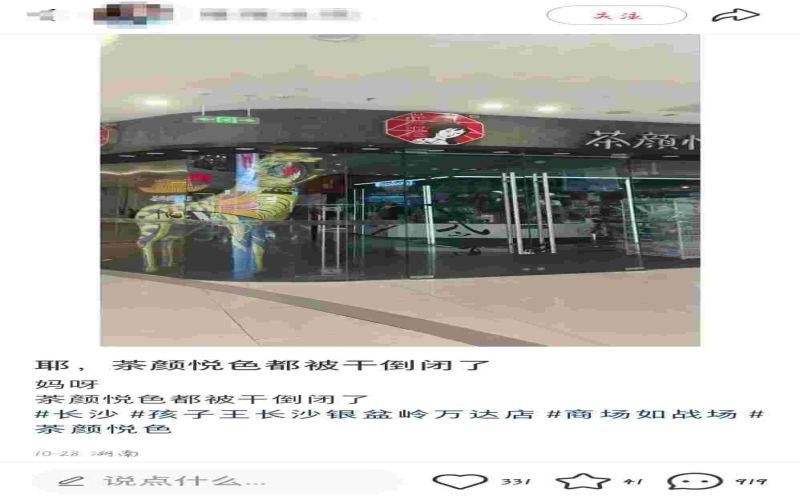
Tea Yan Yue Se stores in multiple locations have closed one after another, and the once-packed queues are hard to see again.
Recently, a netizen tipped off that a nearly ten-year-old CHAYANYUESE store at Yinchangling Wanda Plaza in Changsha had quietly closed, sparking widespread discussion. Subsequently, more netizens shared photos pointing out that stores in multiple locations—including Changsha South Railway Station, Huachuang International Plaza, Changde Wanda, and Wuhan Buddha Ridge subway station—had also been successively withdrawn in the recent period, and the actual number of closures may be even higher. Regarding the reasons for the closures, some believe it is the brand adjusting its store layout, while others attribute it to declining mall foot traffic. However, more consumers point the finger at CHAYANYUESE's insistence on its "stand-in-line verification" mechanism—drinks are only made after customers verify their orders in person—which runs counter to today's consumer habits of pursuing efficiency and convenience. In addition, longtime fans generally report a decline in quality control, with the value for money of the drinks being far worse than before. Once a must-visit spot for photos, its charm has now faded, stores sit empty, and the brand's move to close underperforming locations and cut losses in time may also be a reluctant choice. [more…]
The opening of Shenzhen's Chayan Yuese drew 30,000 queue numbers and sparked heated discussion; officials clarified these were Wenheyou table numbers and urged rational consumption.
On April 2, the internet-famous tea brand Chayan Yuese opened a pop-up store at Shenzhen Wenheyou. The queue on opening day was unprecedented, with rumors online claiming that the number of waiting tickets exceeded 30,000, and a cup of milk tea was being resold for over 200 yuan. However, Chayan Yuese officially clarified shortly afterward that the so-called 30,000 number was actually the table number at Shenzhen Wenheyou, not the queue number for milk tea. From Changsha to Wuhan and then to Shenzhen, why does Chayan Yuese always trigger such frenzy? This article will reconstruct the whole incident, sort out the brand's development trajectory, and discuss whether a cup of milk tea is worth such a long queue. [more…]
Nanjing's Chayan Yuese closes on opening day: scalpers drive prices up to 200 yuan a cup, police maintain order on site
Amid the wave of price cuts in new-style tea drinks, a cup of milk tea priced at 50 yuan is no longer common. However, on the opening day of Chayan Yuese's first store in Nanjing, scalpers were reselling cups for as much as 200 yuan, with people lining up as early as 4:30 a.m., and related topics quickly trended on Weibo. Due to excessive crowds and chaotic order, the Xinjiekou store posted a sold-out notice and closed its entrance just five minutes before its official opening, while the Jiangning Jingfeng store continued operating. Police dispatched officers to maintain order and persuade citizens to leave. On some trading platforms, proxy purchasing and queuing services appeared, priced between 10 and 200 yuan. The Nanjing Market Supervision Bureau made it clear that scalping is illegal. People's Daily Online called on consumers to treat internet-famous brands rationally and not be led by merchants and scalpers. [more…]

A takeout order screenshot claimed a 76-yuan delivery of 875 kilograms of Mixue Bingcheng drinks; after multi-party verification, it was confirmed to be false information.
Recently, a screenshot claiming that a delivery rider took an order for 1,750 cups of Mixue drinks with a delivery fee of 76.13 yuan and a total weight of 875 kilograms spread widely on social media and quickly trended on Weibo. However, after verification by multiple media outlets and relevant departments, the store address indicated in the screenshot does not exist, and two nearby Mixue stores both denied having received such an order. After an on-site inspection, the Market Supervision Administration of Xiang'an District, Xiamen, confirmed that the address is actually a hot pot restaurant. This massive delivery order that sparked heated discussion was ultimately confirmed to be false information. As coffee enthusiasts, Front Street Coffee reminds everyone to pay attention to verifying the source of information when following online hot topics. [more…]
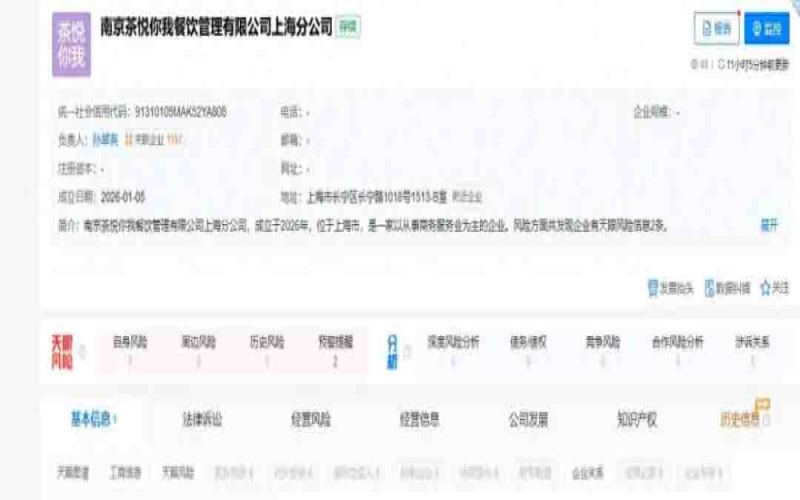
Chayan Yuese's Shanghai and Shenzhen expansion sparks heated discussion, with netizens focusing on the redemption mechanism and market competition.
Recently, Changsha tea beverage brand Chayan Yuese has attracted widespread attention due to the establishment of a branch company in Shanghai and the release of recruitment information in Shenzhen. There has been much speculation from the outside about whether it will enter the Shanghai and Shenzhen markets, but the brand responded that the new Shanghai company is only a creative studio and there are currently no plans to open stores. However, the focus of netizens' discussion has fallen on Chayan Yuese's signature queuing and verification mechanism—many people believe that this model is difficult to adapt to the fast-paced consumption habits of Shanghai and Shenzhen, and that if it insists on its original rules, it may be difficult to gain a foothold. At the same time, Heytea, Chagee, and local brand Tea Li Yishi have already occupied the local market. If Chayan Yuese enters at this time, the competitive pressure cannot be underestimated. This article will sort out the ins and outs of the incident and the views of all parties. (Compiled by Front Street Coffee) [more…]
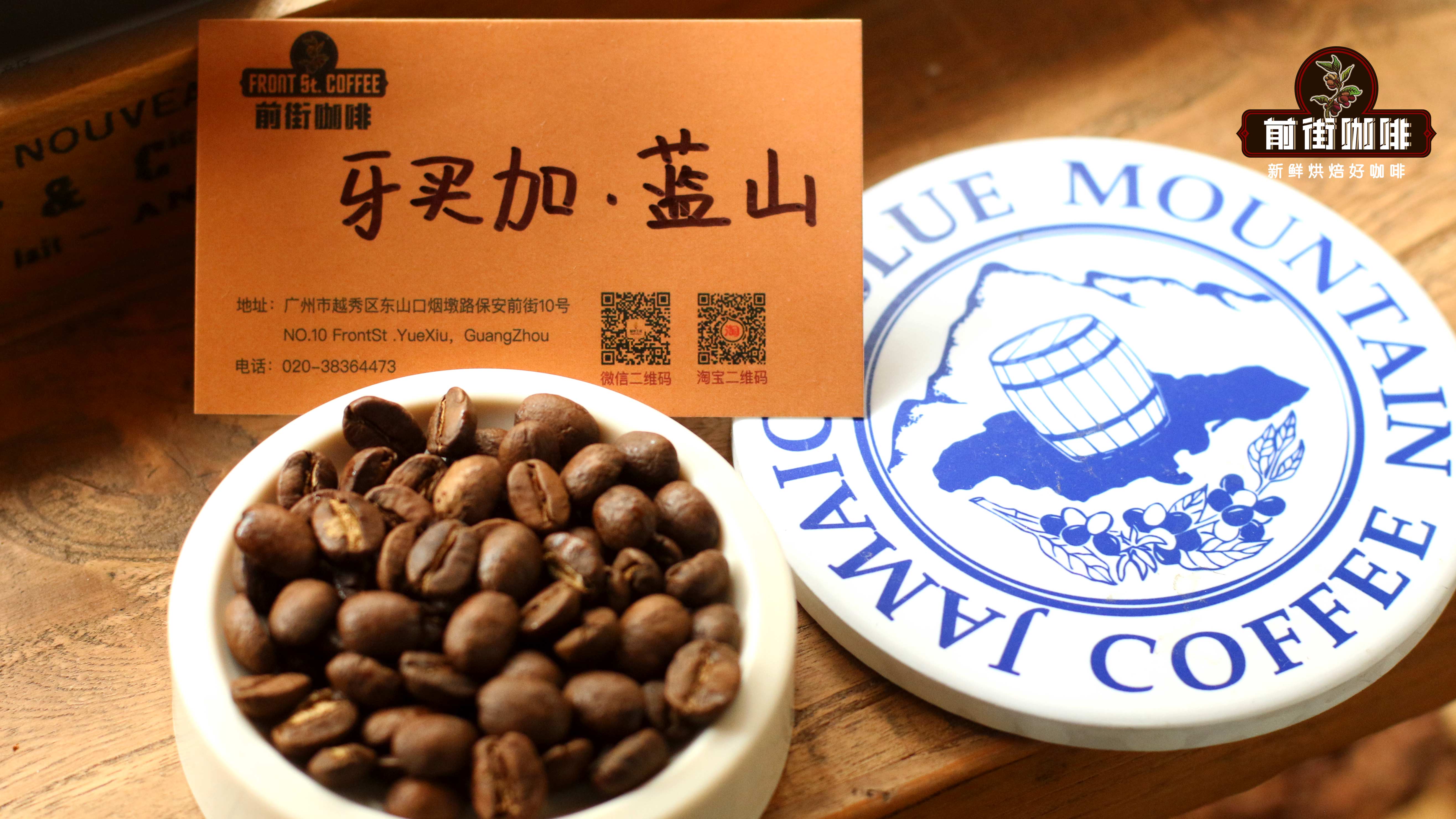
Led by Jamaica Blue Mountain No. 1: A Detailed Look at the World's Top Specialty Coffees and a Guide to Authenticity Verification
In the world of specialty coffee, Jamaica Blue Mountain No. 1 has always been a hallowed presence. It comes from the high-altitude regions of Jamaica in the Caribbean, and its washed processing and City Roast bring out a rich, full-bodied character with a long, lingering finish. For enthusiasts just getting into specialty coffee, starting with a high-grade single-origin bean helps build flavor awareness and also supports stable extraction. Front Street Jamaica Blue Mountain No. 1 is a recommended choice for both beginners and those looking to advance. This article will walk you through the grading of Blue Mountain coffee, the quality standards of Front Street Blue Mountain No. 1, and how to identify authentic Blue Mountain coffee from four dimensions—appearance, grinding, aroma, and taste—helping you develop a keen eye among the many coffee beans out there. [more…]
Jamaican Blue Mountain Coffee Tasting Guide: Grades, Authenticity Verification, and Pour-Over Parameters Explained
Blue Mountain coffee is hailed as one of the most successfully marketed and most premium-priced coffees in the world, yet the market is flooded with a mix of genuine and fake beans across numerous grades, making it difficult for consumers to tell them apart. This article begins with the grading standards for Jamaican Blue Mountain coffee, sorting out the differences between each grade from NO.1 down to PB, clarifying the origin definitions of Blue Mountain coffee, High Mountain coffee, and Jamaica coffee, and explaining in detail the green bean processing flow of Front Street Jamaican Blue Mountain coffee and the Rainforest Water Frog certification of Clifton Mount Estate. The article also explains the essential difference between Blue Mountain coffee and Blue Mountain Flavor coffee, and finally provides specific pour-over parameters and flavor performance to help coffee lovers truly understand and enjoy a good cup of Blue Mountain. [more…]
The Necessity of Daily Morning Testing in Coffee Shops: Flavor Verification Procedures for Espresso, Latte, and Cold Brew
Many coffee shops do an internal tasting round before officially opening their doors to customers, commonly known as "morning calibration." The core purpose of this step is to confirm whether the coffee being served that day still tastes consistent, and if any abnormalities or negative changes in flavor are detected, adjustments must be made promptly. Some people wonder: if the equipment, water quality, parameters, and beans haven't changed, how could the taste change? In fact, espresso is particularly susceptible to the effects of coffee bean degassing and air humidity, so morning calibration is not superfluous. In addition to espresso, lattes and cold brew also need to be included in the testing. This article will explain one by one the reasons for morning calibration in coffee shops, what gets tested, and its significance at the food safety level. [more…]
An Analysis of Jamaican Blue Mountain No. 1 Coffee Flavor Characteristics: Growing Region Conditions, Authenticity Verification, and Brewing Key Points
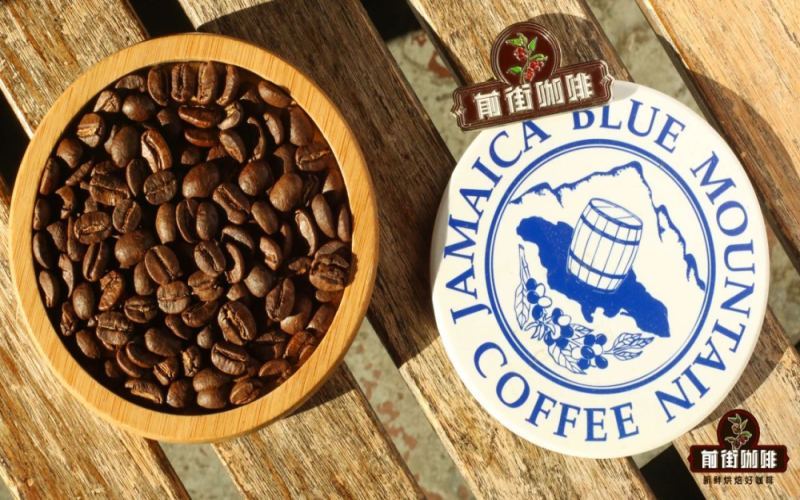
Blue Mountain coffee is hailed as one of the world's top coffees, yet only about 900 tons are truly produced each year within Jamaica's legally designated Blue Mountain region, and products on the market named "Blue Mountain flavor" are far removed from authentic Blue Mountain coffee. This article systematically sorts out the strict definition of Blue Mountain coffee, the altitude grading standards, and the official certification system, and introduces the innovation journey of Clifton Estate. At the same time, it focuses on the grade requirements for Blue Mountain No. 1 coffee beans, from bean size and defect rate to roast level and resting time, and then to Front Street Coffee's recommended low-temperature Kono dripper brewing method, fully presenting the flavor performance and extraction details of this balanced, mellow coffee. [more…]
A Complete Guide to Jamaican Coffee Varieties: Blue Mountain Grading, Authenticity Verification, and Brewing Guide
When people mention Jamaican coffee, most first think of Blue Mountain. But how many grades does Blue Mountain coffee actually have? And how can you identify authentic Blue Mountain beans when the market is full of fakes? This article starts with the Blue Mountain coffee grading system, sorts out the historical and origin reasons behind its high price, and introduces the microclimate and soil characteristics of Jamaica's Blue Mountain Range. At the same time, drawing on Front Street Coffee's Clifton Mount Estate Blue Mountain No. 1 currently on sale, it explains the certification marks and wooden barrel packaging tradition of authentic Blue Mountain beans, and finally includes the Kono dripper brewing parameters and techniques commonly used in stores, for coffee lovers' reference. [more…]
Does a higher number of coffee beans in a blend mean better quality? Analyzing the blending logic and experimental verification of mixed coffee
Many friends who are just getting into coffee have a question: which is actually better, blended coffee or single-origin coffee? Does using more types of beans in a blend make it more impressive? Because some merchants heavily promote blends of four or even more types, many beginners mistakenly believe that the number of bean varieties in a blend is directly tied to its quality. In fact, the core of blended coffee lies in the complementary characteristics and proportional adjustment among the beans, not simply piling up varieties. In this article, Front Street will systematically explain what blended coffee is, what problems it can solve that single-origin beans find hard to achieve, and, through a brewing experiment using more than thirty kinds of coffee beans, intuitively demonstrate why more beans in a blend is not necessarily better, as well as why merchants generally keep blends to 2~5 types at present. [more…]

Starbucks Korea admits summer giveaway storage bags contain formaldehyde, publicly apologizes and adjusts the campaign plan
Starbucks Korea recently issued a public apology after a summer promotional giveaway was found to contain formaldehyde. The incident began when an employee at an anonymous testing agency posted on social media alleging that the Summer Carry Bag travel tote contained formaldehyde, following earlier consumer complaints that the bag emitted a fishy odor resembling squid. Starbucks Korea immediately suspended the giveaway and sent the product for testing, which ultimately confirmed the presence of formaldehyde. The company announced that customers who had already redeemed the bag could return it and receive a beverage voucher as compensation, while also removing the promotional reward and pledging to strengthen safety verification procedures for future merchandise. [more…]
Jamaica Blue Mountain No. 1 Pour-Over Technique and Flavor Analysis: Who Should Drink It and Key Points for Authenticity Verification
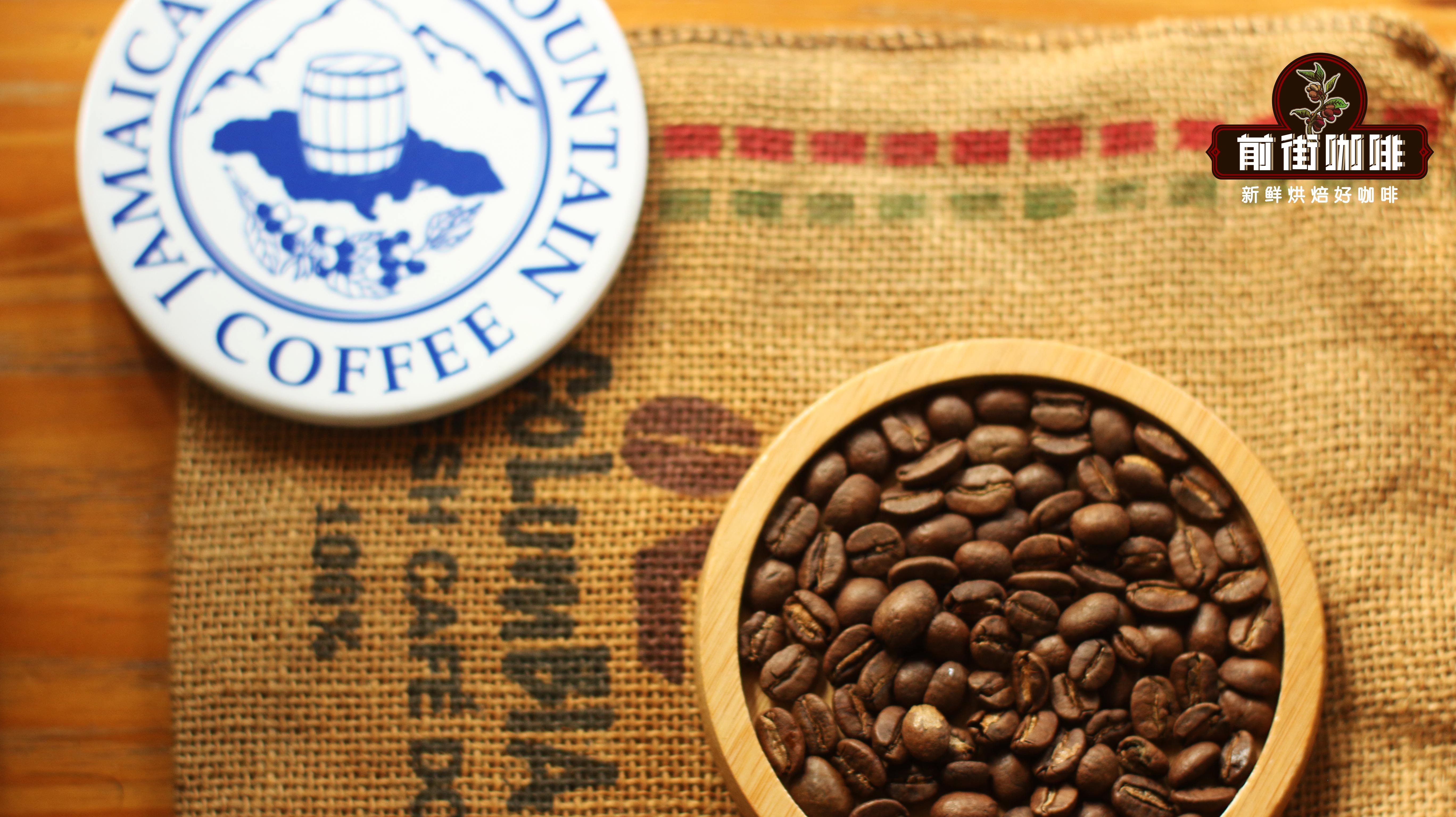
Blue Mountain coffee has a famous reputation and was once regarded as synonymous with top-tier coffee. Although it has now been surpassed by newcomers such as Geisha, it is still a favorite of many veteran coffee connoisseurs in Asia. This article focuses on Jamaica Blue Mountain No. 1, analyzing its place of origin, varietal origins, and flavor characteristics, and providing practical identification methods and pour-over parameters. Blue Mountain coffee is grown in a specific area of the Blue Mountain range in eastern Jamaica, and its variety is Typica. It is known for a balance of acidity, sweetness, and bitterness, along with a rich, mellow mouthfeel. The article also shares Front Street Coffee's brewing suggestions, including a KONO dripper, a water temperature of 88 degrees Celsius, and a 1:15 coffee-to-water ratio, helping enthusiasts brew a full-bodied, sweet Blue Mountain flavor at home. [more…]
A Complete Guide to Jamaican Blue Mountain Coffee: Flavor Characteristics, Growing Conditions, Grade Classification, and Authenticity Verification
Blue Mountain coffee has long been regarded as a classic representative in the coffee world. Its full aroma, balanced taste, and lingering sweet aftertaste have fulfilled countless tasters' imagination of a good cup of coffee. However, in today's trend of chasing fruity acidity and regional flavors, has Blue Mountain become outdated? This article will comprehensively sort out every aspect of this legendary coffee from perspectives including the geography and climate of the Blue Mountain producing region, cultivation and harvesting methods, green bean processing procedures, the history of Japanese capital involvement, as well as the CIB official grade classification and authenticity identification methods. The article will also combine the example of the Clifton Farm Blue Mountain coffee beans sold by Front Street Coffee to help readers build a systematic understanding of authentic Blue Mountain coffee. [more…]
A Detailed Guide to Jamaican Blue Mountain Coffee Grades: Blue Mountain No. 1 Standards, Authenticity Verification, and Brewing Suggestions
Jamaican Blue Mountain coffee is renowned worldwide, but its high price and scarce production have also flooded the market with counterfeits. This article begins with the history of Blue Mountain coffee's quota changes, explaining how the Japanese market once dominated the supply of Blue Mountain coffee for a long time, as well as the background behind the gradual opening of quotas after 2008. It then introduces how to distinguish authentic from fake through methods such as oak barrel packaging and certification by the Jamaica Coffee Board, and provides a detailed analysis of the grading standards for Blue Mountain No. 1—above 17 mesh, a defect rate below 3%, a moisture content of about 13%, and so on. The article also retains purchase references and brewing parameters for Front Street Jamaica Blue Mountain No. 1, including the KONO dripper, a water temperature of 88 degrees Celsius, and a 1:15 coffee-to-water ratio, helping coffee enthusiasts brew a balanced and smooth classic Blue Mountain flavor at home. [more…]
A Complete Guide to Jamaican Blue Mountain Coffee: The Three Main Categories, Grading, Authenticity Verification, and Pour-Over Brewing Guide
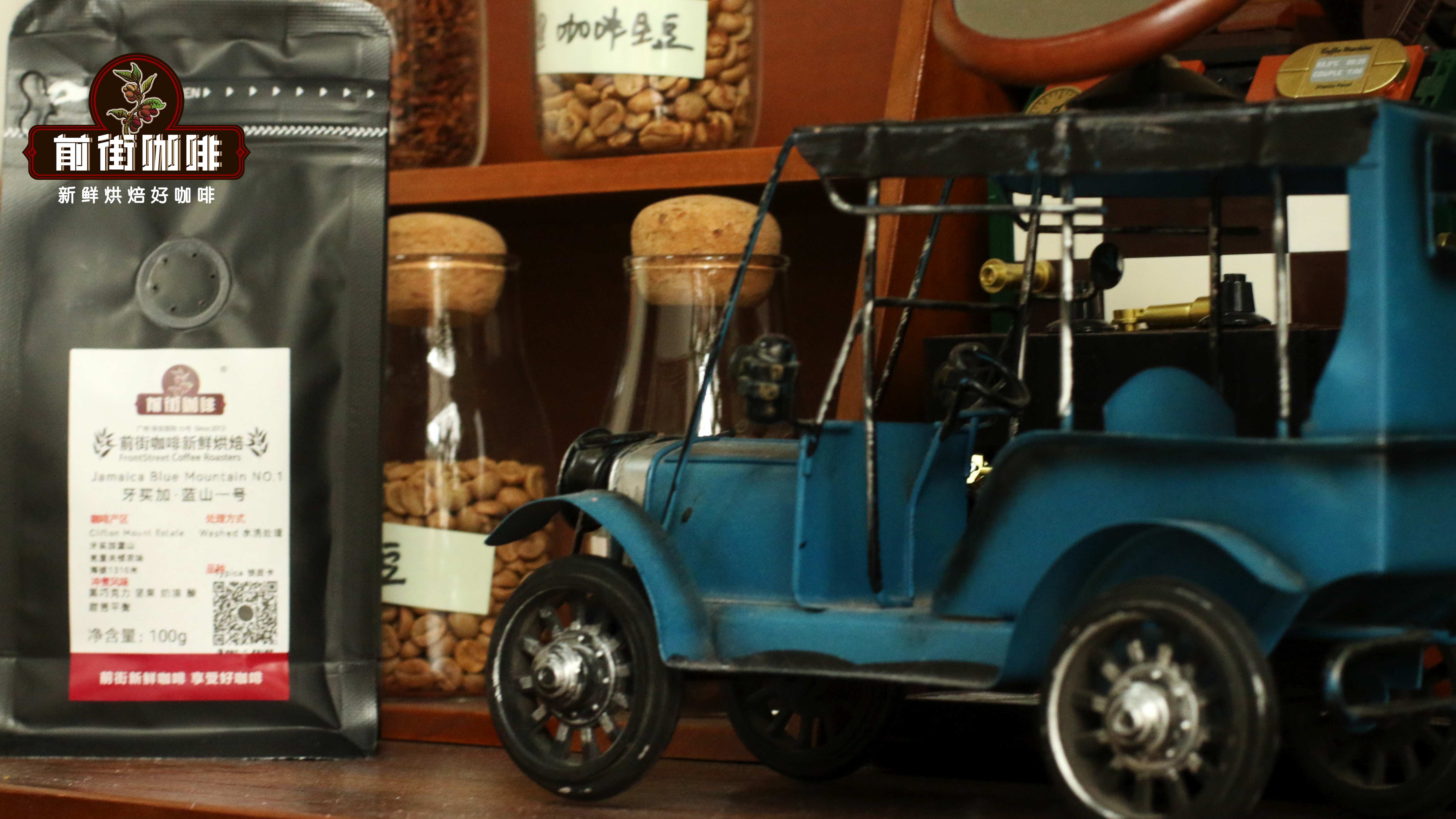
Jamaican Blue Mountain coffee was once hailed as one of the finest coffees in the world, and today, getting an authentic cup of Blue Mountain is no longer out of reach. At Front Street Coffee, you can enjoy a rich, aromatic cup of Blue Mountain for just 60 yuan, or buy a 100-gram bag of beans for 158 yuan. This article provides a comprehensive overview of the three categories of Jamaican coffee: Blue Mountain Coffee, High Mountain Coffee, and Jamaican Prime Coffee. It explains in detail the growing environment, historical origins, and grading standards of Blue Mountain coffee, and shares Front Street Coffee's practical tips for identifying authentic Blue Mountain. In addition, following our in-store production standards, we demonstrate the pour-over brewing parameters and steps for Blue Mountain No. 1, so you can experience this classic coffee's chocolate and nutty aromas and its balanced flavor. [more…]
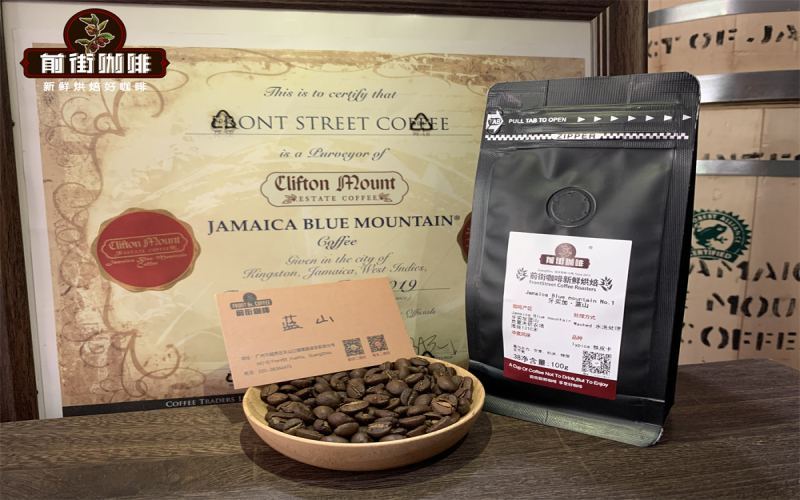
An In-Depth Guide to Jamaican Blue Mountain Coffee: From Cultivation and Grading to Authenticity Verification and Pour-Over Parameters
Blue Mountain coffee is synonymous with "good coffee" in many people's minds, but few truly understand it. This article, from the perspective of Front Street, systematically sorts out key knowledge about Jamaican Blue Mountain coffee—its producing environment, cultivated varieties, washed processing, grade classification, and wooden barrel packaging—and focuses on how to identify Blue Mountain No. 1 and the logic behind brand selection. At the same time, the article also offers Front Street's recommended roasting approach and pour-over parameters to help coffee enthusiasts more accurately recreate the classic balanced flavors of nuts, chocolate, and sweetness in Blue Mountain coffee. [more…]
What Is the Difference Between Blue Mountain Blend and Blue Mountain Flavor? A Complete Guide to Jamaican Blue Mountain Coffee Bean Blending Methods and Authenticity Verification
The world-renowned Jamaican Blue Mountain coffee has won over countless coffee lovers with its exquisite balance of acidity, bitterness, aroma, body, and sweetness. However, products labeled "Blue Mountain" on the market are a mixed bag—some are genuine specialty coffees from Jamaica's Blue Mountain range, while others fall under easily confused concepts like "Blue Mountain Blend" and "Blue Mountain Flavor." This article will start with the definition of Blue Mountain Blend, clarify its essential differences from Blue Mountain Flavor coffee, and then take a deep dive into the history of Clifton Farm in the core Blue Mountain producing region, its washed processing method, green bean grading standards, cupping flavor performance, and practical brewing parameters. Finally, it will include several key methods for identifying authentic Blue Mountain coffee to help you make more accurate judgments when purchasing. [more…]
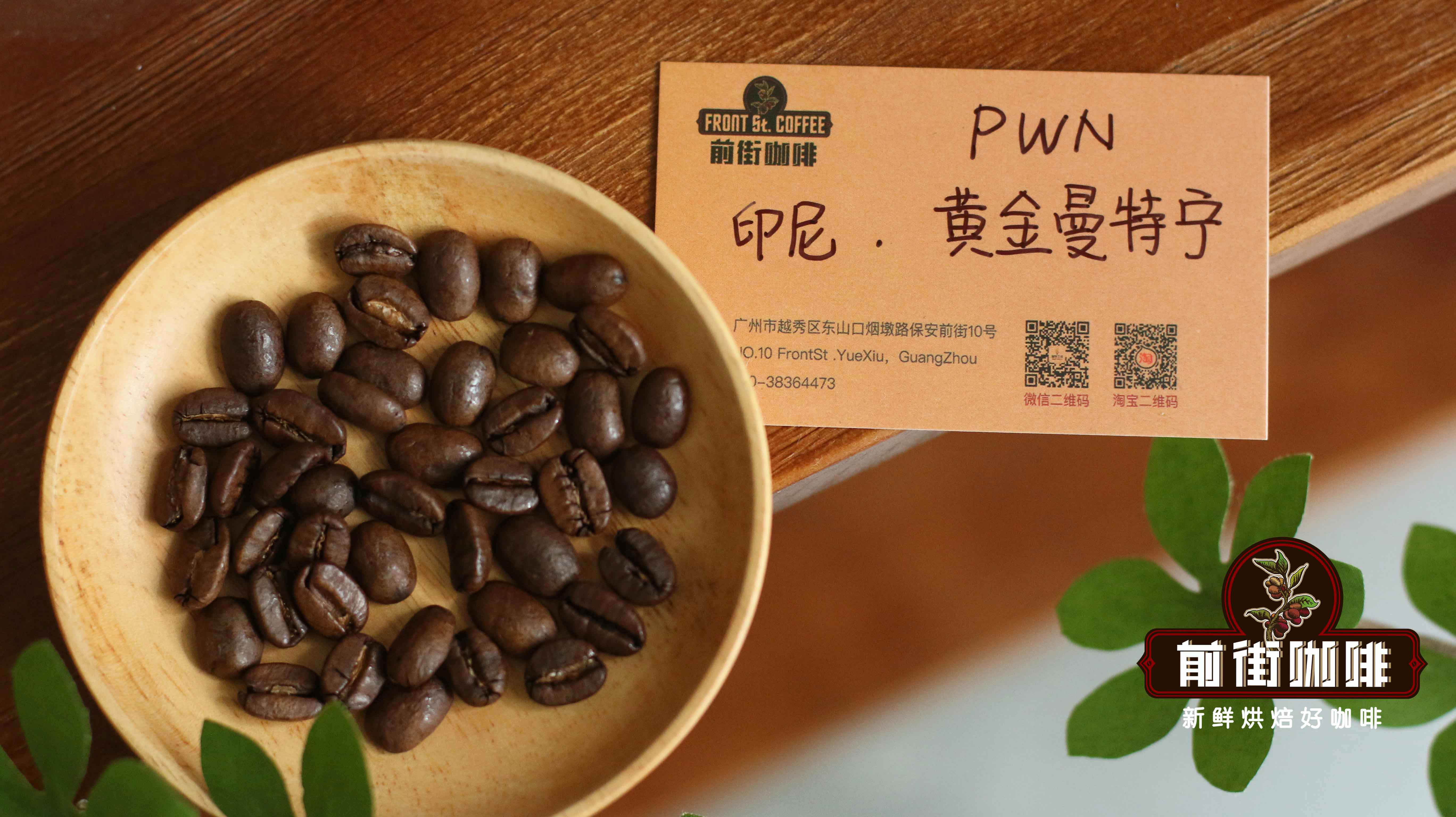
Front Street PWN Golden Mandheling Medium-Dark Roast Pour-Over Full Guide: From Authenticity Verification to Brewing Parameters and Flavor Performance
Golden Mandheling is highly praised by coffee enthusiasts, but there are many counterfeit products on the market, and it is not easy to drink authentic Front Street PWN Golden Mandheling. This article will start with the origin of Golden Mandheling and the background of the PWN trademark, explain how to identify authentic Front Street Golden Mandheling coffee beans, the screening standards of the PWN green bean company, and the origins of the Ateng variety, and share in detail Front Street's roasting curve and pour-over parameters. The brewing section covers the choice of dripper, coffee dose, coffee-to-water ratio, grind size, water temperature, and the three-stage pouring method, and finally gives a flavor and mouthfeel description of Front Street PWN Golden Mandheling to help you gain a more complete understanding of this Mandheling with a prominent mellow sweetness. [more…]
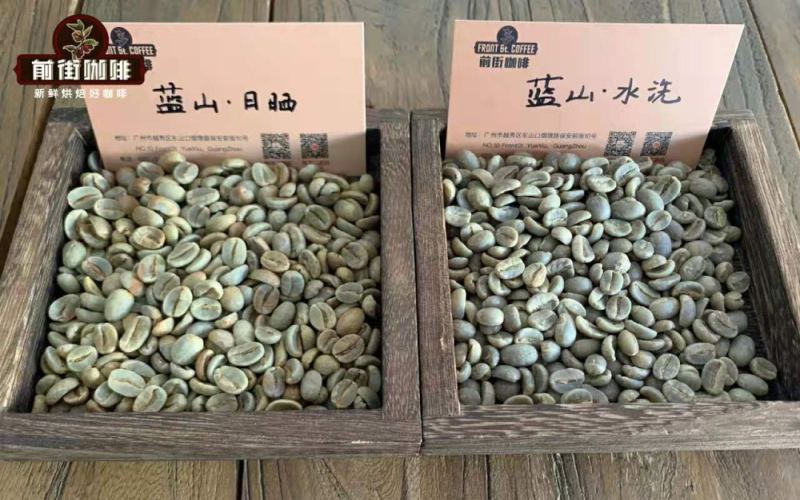
A Complete Guide to Jamaican Blue Mountain Coffee Beans: From History and Grading to Authenticity Verification and Front Street Brewing Tips
Blue Mountain coffee is hailed as the king of coffee, but do you really know it? From the perspective of Front Street Coffee, this article systematically reviews the cultivation history, geographical conditions, grading system, processing methods, and famous estates of Jamaican Blue Mountain coffee, and includes Front Street Coffee's brewing parameters and flavor description. At the same time, it teaches you how to distinguish authentic Blue Mountain No. 1 from Blue Mountain flavor blend beans on the market through four dimensions: appearance, feel when grinding beans, aroma, and taste. Whether you are a beginner enthusiast or a veteran gourmet in pursuit of the ultimate flavor, this content can help you understand Blue Mountain coffee more comprehensively and avoid common pitfalls in purchasing and tasting. [more…]